
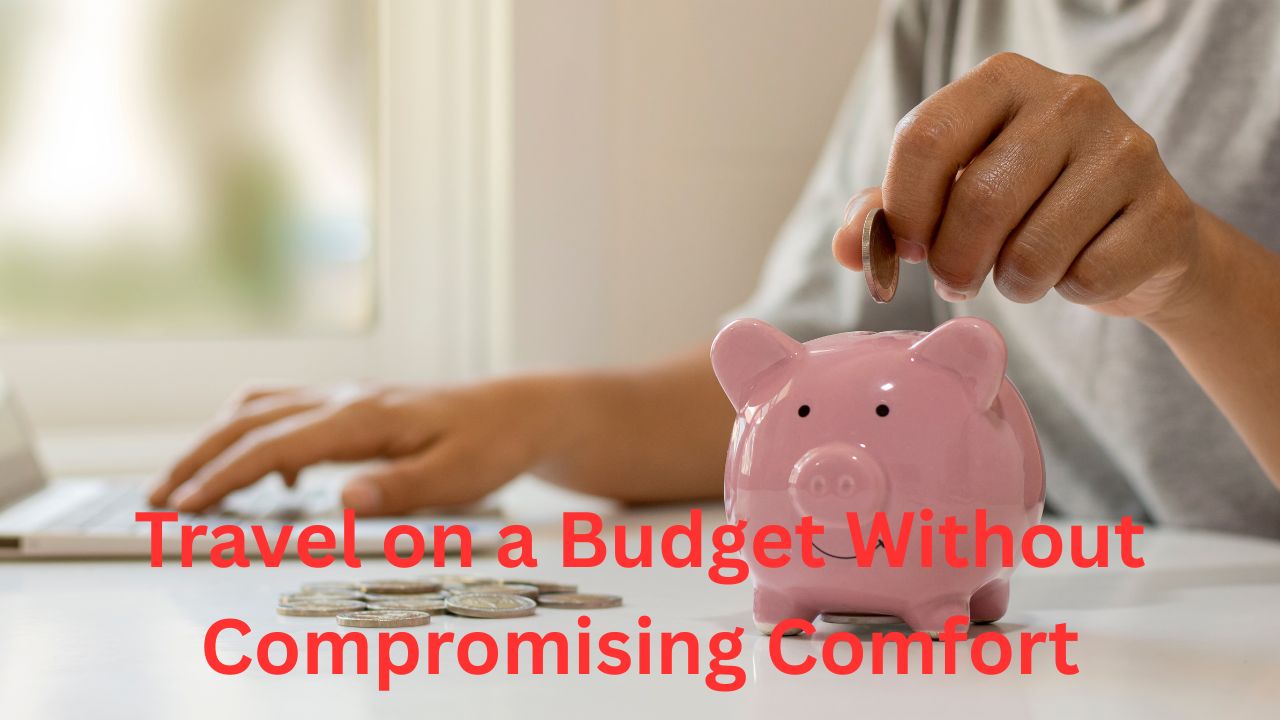
Traveling on a budget does not mean sacrificing comfort, convenience, or memorable experiences. With smart planning, flexible choices, and careful spending, you can enjoy quality accommodation, delicious food, convenient transportation, and exciting activities without overspending. Budget travel is more about making informed decisions than simply choosing the cheapest option available. By prioritizing what matters most to you and reducing unnecessary expenses, it is possible to create a comfortable trip that fits your financial limits.
Set a Realistic Travel Budget
Start by determining how much you can comfortably spend on the entire trip. Divide your budget into categories such as transportation, accommodation, food, activities, shopping, insurance, and emergency expenses. Research average costs at your destination before setting daily spending limits. A realistic budget gives you greater control over your money and helps prevent unexpected financial stress. Include a small emergency fund for situations such as transportation changes, medical needs, or last-minute accommodation.
Travel During the Off-Season
One of the easiest ways to reduce travel costs without sacrificing comfort is to travel during the shoulder or off-season. Flights and hotels are often less expensive when tourist demand is lower. You may also experience shorter lines, quieter attractions, and less crowded restaurants. Instead of visiting a destination during its busiest period, consider traveling shortly before or after peak season. You can often enjoy similar weather and attractions while paying significantly less for the same level of comfort.
Compare Flights Before Booking
Airfare can consume a large portion of a travel budget, so comparing different options is essential. Check multiple airlines, departure dates, nearby airports, and flight times before making a decision. Flexible travelers can often find better fares by adjusting their departure or return dates by a day or two. However, the cheapest flight is not always the best choice. Consider baggage fees, airport transfers, seating costs, and inconvenient schedules when calculating the total price.
Choose Comfortable Budget Accommodation
You do not necessarily need a luxury hotel to enjoy a comfortable stay. Look for well-reviewed guesthouses, boutique hotels, serviced apartments, hostels with private rooms, or reputable vacation rentals. Pay attention to cleanliness, location, safety, Wi-Fi, air conditioning, breakfast options, and guest reviews. A slightly more expensive property in a convenient location may actually save money on transportation. Focus on overall value rather than choosing accommodation based solely on its lowest nightly rate.
Book Accommodation Strategically
Booking early can help you secure better prices and a wider selection of comfortable rooms. However, last-minute deals can sometimes work for flexible travelers, particularly during quieter periods. Compare the total cost rather than just the advertised room rate. Check whether taxes, resort fees, breakfast, parking, or other charges are included. A hotel offering free breakfast and transportation may provide better value than a cheaper property with multiple additional fees.
Pick the Right Location
Location has a major impact on both comfort and travel expenses. Staying near public transportation, major attractions, supermarkets, and restaurants can reduce daily commuting costs. You may pay slightly more for a centrally located hotel but save substantially on taxis and travel time. Before booking, examine the neighborhood and transportation options. The ideal location is not necessarily the most expensive central district; a safe, well-connected area a short distance away can provide excellent value.
Use Public Transportation
Public transportation is often much cheaper than taxis and private transfers while still offering convenience. Metro systems, buses, trains, and reliable local transportation can make it easy to explore many destinations. Research routes, travel cards, passes, and airport connections before arriving. If public transportation is unavailable or impractical, compare rideshare services, shared transfers, and traditional taxis. Combining transportation methods can provide a good balance between affordability and comfort.
Pack Light to Save Money
Traveling with less luggage can reduce airline baggage fees and make transportation much easier. A carefully planned capsule wardrobe can provide enough clothing for several days without requiring a large suitcase. Choose versatile items that can be mixed and matched, and pack lightweight toiletries when possible. Carrying less also makes it easier to use public transportation and walk between nearby locations. Packing efficiently is a simple way to improve convenience while keeping travel costs under control.
Eat Well Without Overspending
Eating on a budget does not mean surviving on fast food. Explore local restaurants, cafés, food markets, and neighborhood eateries where residents regularly dine. These places often provide authentic meals at lower prices than restaurants in major tourist areas. You can also save money by booking accommodation with a kitchen or refrigerator and preparing some meals yourself. Enjoy a few special dining experiences while keeping everyday meals affordable.
Plan Free and Low-Cost Activities
Many destinations offer impressive experiences that cost little or nothing. Public parks, beaches, walking tours, historic neighborhoods, museums with free-entry periods, local markets, cultural events, and scenic viewpoints can provide memorable experiences without a large admission fee. Research free attractions before your trip and build them into your itinerary. Spending less on activities can leave more money available for experiences that are especially important to you.
Avoid Tourist Traps
Tourist-heavy areas often charge premium prices for food, souvenirs, transportation, and entertainment. Research typical local prices before traveling so you can recognize inflated costs. Walk a few streets away from major attractions to discover restaurants and shops with better value. Be cautious about unnecessary guided tours, overpriced souvenirs, and services marketed specifically to tourists. Choosing authentic local experiences can often provide better memories while costing considerably less.
Use Travel Rewards and Discounts
Travel rewards programs, credit card benefits, airline loyalty programs, hotel memberships, and legitimate discount platforms can help reduce travel expenses. Before booking, check whether you have unused points, miles, vouchers, or membership benefits. Students, seniors, families, and certain professional groups may also qualify for discounts. Always compare the final price because a reward or discount is useful only when it genuinely lowers your overall cost.
Create a Flexible Itinerary
A flexible itinerary can help you save money while making your trip less stressful. Instead of scheduling every hour, identify your essential attractions and leave room for spontaneous activities. Flexibility allows you to choose cheaper transportation, take advantage of local deals, and adjust plans when weather or opening hours change. Avoiding an overly packed schedule also reduces transportation costs and gives you more time to relax and enjoy each destination.
Protect Your Travel Budget
Unexpected expenses can quickly disrupt a carefully planned trip. Travel insurance, emergency savings, secure payment methods, and digital copies of important documents can provide valuable protection. Keep some emergency money separate from your primary wallet and avoid carrying all your cash in one place. Check foreign transaction fees and ATM charges before traveling internationally. A small amount spent on preparation can prevent much larger expenses later.
Spend More on What Matters
Budget travel becomes easier when you identify your priorities. If comfortable accommodation is important, save money on shopping or expensive transportation. If food is the highlight of your trip, choose affordable accommodation and allocate more of your budget to dining. There is no single definition of comfortable travel. The goal is to spend strategically on the experiences and conveniences that matter most to you while reducing expenses that add little value.
Travel Slowly When Possible
Slow travel can be both more affordable and more relaxing. Staying several nights in one destination may reduce accommodation and transportation costs while giving you more time to explore local neighborhoods. Instead of rushing through several cities, consider visiting fewer places and experiencing them more deeply. Fewer transfers mean less spending on trains, flights, taxis, and luggage fees. You also avoid the exhaustion that can come from constantly changing hotels.
Use Technology to Control Spending
Travel apps can simplify budgeting, navigation, accommodation searches, currency conversion, and transportation planning. Set a daily spending target and track expenses throughout your trip rather than waiting until the end. Download offline maps and essential travel information before leaving to reduce mobile data usage. Digital tools can also help compare prices and identify affordable restaurants and activities. Using technology wisely makes budget management easier without reducing comfort.
Conclusion
Traveling on a budget without compromising comfort is achievable with thoughtful planning and smart spending. Choose affordable travel periods, compare transportation and accommodation options, stay in convenient locations, eat like a local, and prioritize experiences that genuinely matter to you. The key is not to spend as little as possible but to get the greatest value from every dollar. With flexibility and preparation, you can enjoy a comfortable, rewarding, and memorable vacation while staying firmly within your travel budget.




Leave a Reply